Illustration via Deposit Photos
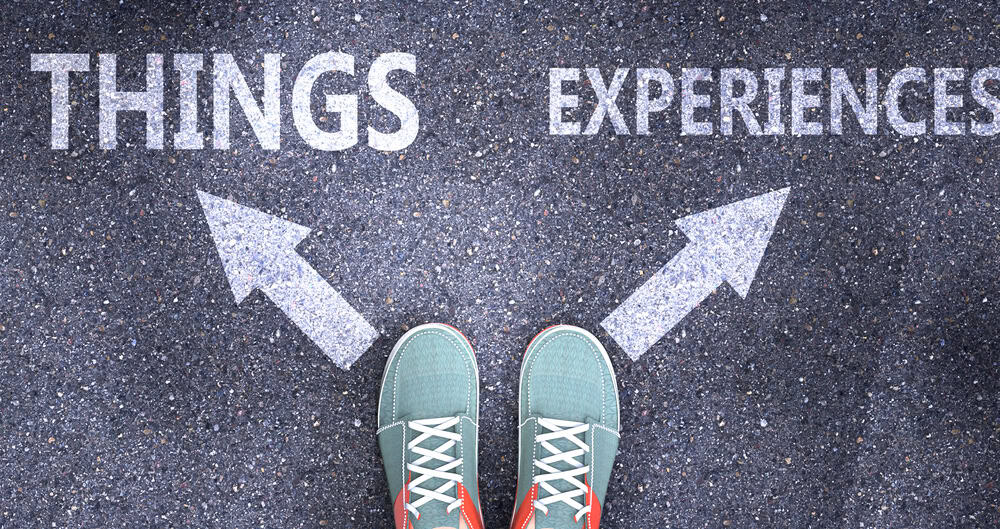
The experience economy has changed how people think about spending money. Having things was once considered a sign of status, success, and security, but today more and more consumers are interested in spending on experiences.
People are directing their money towards things like travel, concerts, fine dining, and even hobbies that make them part of a community. People consider a worthwhile experience anything they would care about – whether it’s watching a movie or enjoying an incredible selection of free-to-play slot titles.
The shift from possessions to experiences
Traditionally, consumer spending has always been about physical products like cars, clothes, books, electronics – things that improve the quality of life or bring satisfaction. A new phone, a better card, or a bigger house are all things we wish for and can provide social recognition.
In contrast, when spending on experiences you get in return a personal story, something to remember. A weekend trip is short, but with a couple of photos and posts it lives on for days, even weeks. It becomes a talking point shared by candlelight with a loved one.
Experiences become part of personal identity
Personal identity is how we live, the activities we choose and the choices we make rather than the items we own. People who are in search of their own identity are more likely to travel to destinations, spend more on their hobbies, and go to cultural events.
Social media does everything to support this kind of lifestyle. People share photographs, moments and create stories to celebrate their own personal identity.
Why memories have greater emotional value
While physical possessions can lose their emotional value over time, a memorable experience shared with someone can create a deep connection that lasts. A rare event like viewing a lunar eclipse can also create lasting memories compared to using that time to purchase a new phone, the novelty of which quickly disappears.
Memories often become more valuable as we grow older. A difficult journey may become a story that teaches a generation. A family holiday may become a fond childhood memory that is way more precious than expensive possessions.
The role of travel and leisure
Travel is one of the foundations of the experience economy. Consumers know that to travel is not simply moving from point A to point B, so they spend money on flights, hotels, restaurants, tours and activities that offer unique experiences.
Travel offers personal discovery
Travel is for people who are seekers, who love to meet new people and get to know different cultures. For people, this is a way to grow that cannot be substituted by material possessions. Young consumers are the ones who have paved that way of thinking. They prioritise travel and entertainment over buying the newest shiny object.
Entertainment has become an experience
Live entertainment is far exceeding the boring act of purchasing media. People appreciate live concerts, sporting events and cinema much more than the solitary counterpart experience of doing it home alone.
Technology has played a huge role in making in-person experiences more engaging. For example, virtual reality allows for interactive exhibitions and attraction tours.
Experiences still have a price
The experience economy does not replace the purchase of physical goods. It’s the opposite. People still buy homes, food, and clothes that define their own journey in life. The change in consumer thinking concerns people’s priorities and the emotional reasons behind spending and not the volume spent.
Experiences can become status symbols
While experiences are appreciated for the emotional value they create, they can become status symbols, just like material possessions can. Some expensive experiences like luxury holidays and exclusive restaurants are viewed as status-defining. Attending these expensive types of events signals financial success much like expensive cars and watches do.
The contradiction is that the experience economy appears less materialistic on the surface, but experiences have quickly devolved into a commercial thing.
A new definition of value
Paying for experiences has brought about a new definition of value. The stories and memories experiences provide, have been greatly magnified by the power of social media to create a true strong demand and a potent economy.
Consumers ask a different question now – will a purchase improve their lives rather than simply increase what they own. The answer to that question directs the spending habits of modern consumers towards travel, entertainment, hospitality, dining and leisure.